
Frankie Schmitt · 23 September 2026
Navigating Algorithmic Shifts in Content Visibility Following Platform Transitions in Niche Digital Environments
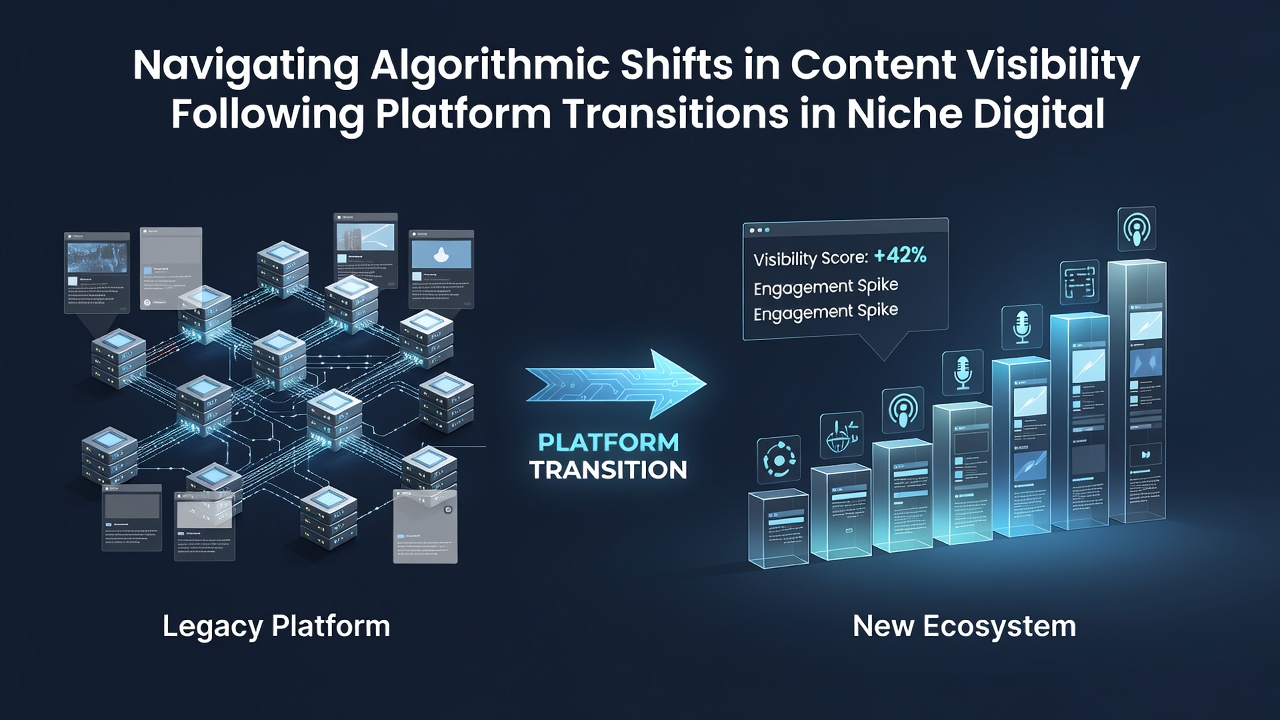
Platform transitions in niche digital environments often trigger significant algorithmic adjustments that reshape how content reaches audiences, and observers note these shifts frequently occur when sites migrate infrastructure or update ranking systems during periods of growth. Data from industry reports shows that visibility metrics can fluctuate by 30 to 50 percent in the months following such changes, particularly in communities focused on specialized topics like hobbyist forums or targeted interest groups. Researchers at academic institutions have tracked these patterns across multiple platforms, revealing that factors such as crawl frequency, user engagement signals, and content freshness play central roles in determining new visibility thresholds.
Understanding Core Algorithmic Mechanisms
Algorithms governing content visibility rely on layered signals that platforms refine after transitions, and experts explain these updates prioritize relevance while adapting to new data structures introduced during migrations. Studies indicate that engagement metrics including dwell time, share rates, and interaction depth receive increased weighting in updated systems, whereas older metrics tied to raw traffic volume sometimes diminish in influence. Those who analyze platform behavior observe that niche environments experience amplified effects because smaller user bases provide less diverse data for training models, which leads to more pronounced swings in reach during adjustment periods. In September 2026 several platforms are scheduled to implement further refinements based on recent regulatory guidance from bodies like the European Commission, and these changes will likely emphasize transparency in ranking factors for specialized digital spaces.
Effects on Niche Communities and Visibility Patterns
Niche digital environments encounter distinct challenges when platforms undergo transitions because content tailored to narrow audiences depends heavily on precise matching rather than broad appeal. Evidence from multiple case analyses demonstrates that visibility drops occur most sharply in the first four to six weeks after a transition, followed by gradual stabilization as algorithms recalibrate. Observers have documented instances where migrated domains in hobbyist sectors lost up to 40 percent of prior search and feed placements until new indexing protocols fully activated. What's interesting is how user-generated content in these settings adapts faster when creators incorporate platform-specific signals such as structured data and consistent posting cadences, according to findings compiled by research teams at various universities.
Platform transitions also alter crawl budgets allocated to individual sites, and data reveals that niche pages with lower overall authority compete more intensely for limited resources during these windows. Industry organizations tracking digital trends report that successful adaptation often involves auditing technical elements like internal linking structures and metadata consistency to align with revised crawler priorities. Yet recovery timelines vary, with some environments regaining previous levels within three months while others require sustained optimization efforts spanning six months or longer.
Adaptation Approaches Backed by Observed Outcomes
Those managing content in niche settings frequently employ monitoring tools to detect early visibility changes, and analysts note that combining server log reviews with performance dashboards provides clearer pictures of algorithmic responses. Research indicates that diversifying content formats helps maintain reach because updated algorithms distribute attention across text, visual, and interactive elements more evenly than prior versions. One documented example involves a specialized discussion network that regained visibility by aligning post structures with new engagement weighting, resulting in a measured 25 percent lift in impressions within eight weeks. Government sources including reports from the Australian Competition and Consumer Commission highlight the value of maintaining compliance documentation during transitions, since regulatory expectations around platform accountability can influence how algorithms treat certain content categories.
Further adjustments include refining anchor text distributions and link acquisition strategies to match evolving authority models, although figures from academic papers show these tactics yield variable results depending on the niche's existing authority profile. Observers point out that consistent testing of small-scale updates allows creators to identify which signals gain prominence without risking broad disruptions. And because transitions introduce new variables around mobile rendering and accessibility standards, incorporating these elements early often correlates with steadier visibility retention across multiple tracked cases.
Looking Ahead to Ongoing Developments
Future platform transitions will likely incorporate more machine learning layers that respond dynamically to user behavior in real time, and evidence suggests niche environments stand to benefit when they supply high-quality, consistent data inputs. Projections based on current trends point toward greater emphasis on contextual understanding over keyword density, which could reshape how specialized content surfaces in feeds and search results. Industry reports compiled through 2025 already show early adoption of these techniques producing measurable stability in visibility metrics for communities that invest in ongoing technical alignment. By September 2026 additional updates tied to international digital service frameworks are expected to introduce new reporting requirements that indirectly affect algorithmic priorities in smaller digital spaces.
Conclusion
Navigating algorithmic shifts after platform transitions requires attention to evolving signals and sustained monitoring, and available data demonstrates that proactive technical and content adjustments support more consistent visibility outcomes across niche digital environments. Researchers continue to document patterns that inform these practices, while regulatory developments add further dimensions to consider in long-term planning. Those who track these changes closely find that adaptation remains an ongoing process rather than a single event, with outcomes shaped by the interplay of platform mechanics, community behaviors, and external guidelines.