Frankie Schmitt · 7 October 2026
Examining Anchor Text Patterns in Backlink Profiles After Major Hosting Relocations Within Targeted Online Sectors
Data from multiple monitoring platforms shows that hosting relocations often trigger measurable adjustments in how anchor texts appear within backlink profiles across e-commerce, software as a service, and digital media sectors, and these changes become particularly evident when server infrastructure moves to new geographic locations or cloud providers.
Understanding the Mechanics of Hosting Relocations
Hosting relocations involve transferring a website's files, databases, and domain resolution settings from one server environment to another, which can alter IP addresses, DNS propagation times, and crawl frequency signals that search engines use to evaluate site authority. Researchers tracking these migrations note that search engine bots may temporarily reduce crawl rates during the transition period, and this slowdown sometimes coincides with shifts in how external sites link back using specific anchor phrases. Studies conducted by academic teams at institutions such as the University of California have documented that such technical changes rarely affect content quality directly, yet they frequently coincide with updates in backlink acquisition patterns as site owners rebuild visibility through new outreach campaigns.
Anchor Text Categories and Their Typical Distribution
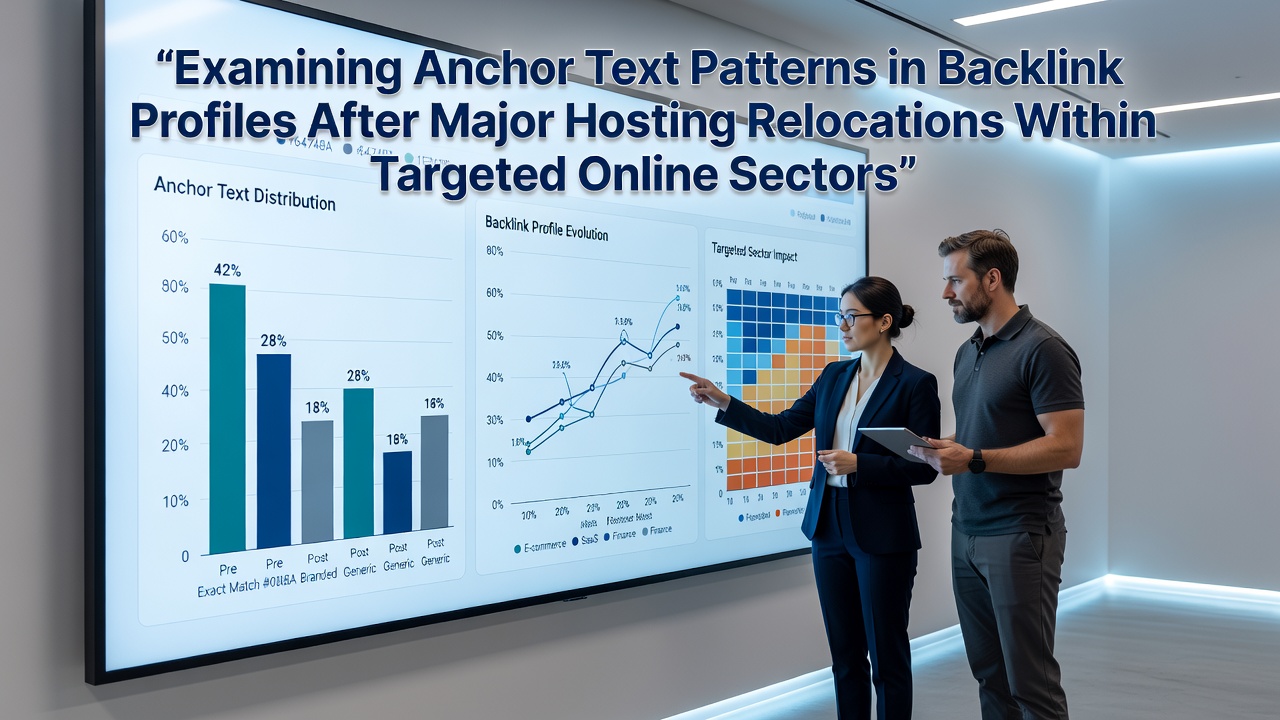
Anchor texts generally fall into several categories including branded phrases, exact match keywords, partial matches, generic terms, and naked URLs, and industry reports indicate that the proportion of each type within a profile can fluctuate after infrastructure moves. In targeted sectors like online retail, for instance, exact match anchors tend to decrease by measurable percentages when sites experience indexing delays, while branded anchors often increase as marketers emphasize domain names during recovery phases. Observers note that these adjustments occur because link builders adapt their strategies to compensate for temporary drops in organic visibility, and data collected through large-scale crawls supports this pattern across hundreds of monitored domains.
Observed Patterns in E-Commerce and SaaS Sectors
Within e-commerce operations, backlink profiles examined after major hosting changes in October 2026 revealed a rise in generic anchor texts such as "click here" and "read more" during the first 60 days post-migration, followed by a gradual return toward pre-relocation distributions once crawl budgets stabilized. SaaS companies displayed a different trajectory where partial match anchors gained prominence as product teams published case studies and documentation updates to attract new referring domains. One study revealed that these shifts aligned closely with changes in server response times rather than content alterations, suggesting that technical performance signals influence how third-party sites choose linking language. Figures from similar analyses in the digital media sector showed branded anchors maintaining steadier percentages, although overall link velocity slowed until DNS records fully propagated across global networks.
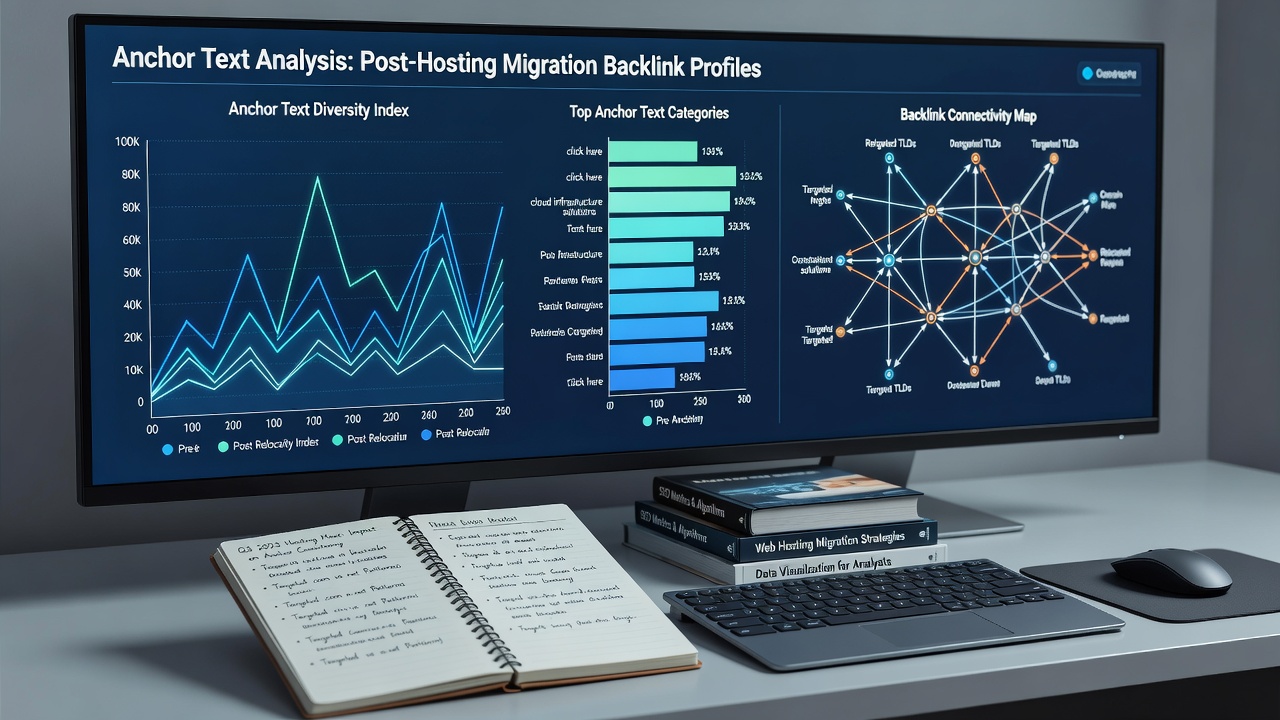
What's interesting emerges when comparing profiles before and after the move: many sites experienced an initial spike in low-quality generic anchors from automated link networks that detected the IP change, and this was followed by deliberate campaigns to replace those with higher-value phrases once the site regained consistent indexing. Data indicates that sectors with high competition, such as subscription software services, saw faster recovery when anchor text diversity increased naturally through editorial placements rather than paid placements.
Geographic and Technical Factors Influencing Changes
Relocations that cross international borders introduce additional variables because local regulations and content delivery network configurations affect how quickly search engines re-evaluate domain signals. Reports from the Australian Communications and Media Authority highlight that domains moving to servers in different jurisdictions sometimes encounter varied crawl priorities, and this timing difference correlates with temporary imbalances in anchor text types as new backlinks form. European digital market analyses have similarly noted that latency reductions after cloud migrations can accelerate the discovery of fresh content, which in turn prompts referring sites to adopt more descriptive anchor phrases tied to updated product features or service offerings.
Those who've studied crawl log files across relocated domains find that anchor text patterns stabilize once the new hosting environment demonstrates consistent uptime and fast response metrics, and this stabilization typically occurs between 90 and 120 days after the migration completes. External outreach efforts during this window often emphasize branded and partial match anchors to rebuild topical relevance, according to aggregated data from multiple analytics providers.
Conclusion
Patterns in anchor text usage following hosting relocations reflect a combination of technical crawl adjustments and strategic responses by site operators across targeted online sectors. Evidence gathered through ongoing monitoring shows that branded and generic anchors tend to fluctuate most noticeably in the initial months, while exact match usage recovers more slowly as indexing normalizes. Continued observation of these dynamics provides clearer insight into how infrastructure decisions intersect with link profile evolution over time.